
Headaches & Migraines Treatment in South Lake Tahoe
Drug-free headache and migraine care in South Lake Tahoe. Our chiropractors look for neck-related causes and use gentle adjustments and posture guidance.
Chiropractic care for headaches & migraines
A whole-body look at your headaches & migraines
Also known as: Tension Headaches, Cervicogenic Headache, Migraine
If headaches are a regular part of your week — whether they build across the back of your skull, throb behind one eye, or flare into a full migraine — the problem may actually involve your neck. At Tahoe Chiropractic Clinic in South Lake Tahoe, our chiropractors look for the cervical tension and joint restriction that many headaches are linked to, and build a drug-free plan aimed at easing how often your headaches show up and how intense they feel.
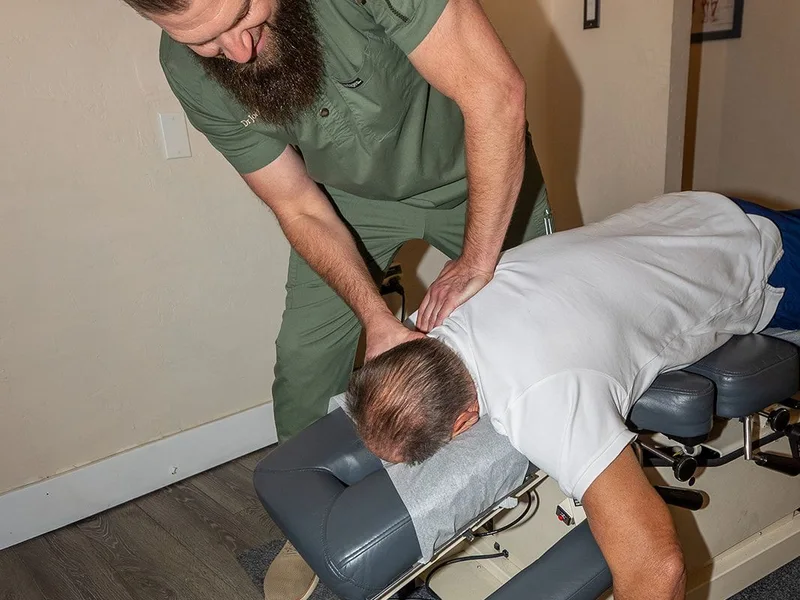
Symptoms of headaches & migraines
- ✓A dull, pressure-like ache across the forehead or temples
- ✓Tightness or pain that starts at the base of the skull and creeps up
- ✓Throbbing or pulsing pain on one or both sides of the head
- ✓Neck stiffness or soreness accompanying the headache
- ✓Sensitivity to light, sound, or strong smells
- ✓Nausea or visual disturbances with severe episodes
- ✓Headaches that worsen with sustained sitting or screen time
Common causes
- Joint restriction or misalignment in the upper cervical spine
- Chronic muscle tension in the neck, shoulders, and upper back
- Poor posture and forward head position from long hours of sitting
- Stress and jaw (TMJ) tension that radiates into the head
- Dehydration, irregular sleep, or hormonal fluctuations
- Concussion, whiplash, or past head and neck injuries
- Trigger points in the suboccipital and trapezius muscles
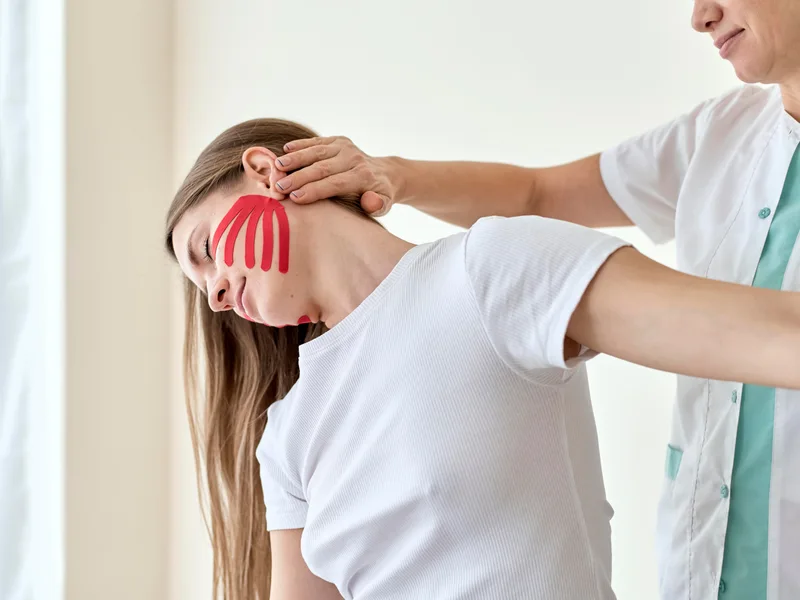
Our approach
How we treat headaches & migraines in South Lake Tahoe
- Step 1
Full cervical and neurological exam
We review your headache history and perform orthopedic, postural, and neurological testing to help determine whether your headaches look cervicogenic, tension-type, or migraine, and screen for red-flag signs that need prompt medical referral.
- Step 2
A targeted, personalized plan
You get a plain-English explanation of what we found and a personalized care plan built around your headache type, including what to expect and how we'll measure progress together.
- Step 3
Hands-on care & lifestyle support
We use gentle chiropractic adjustments to address joint restriction in the neck, then offer guidance on posture, ergonomics, and common triggers that may help reduce how often headaches return.
The basics
Understanding headaches & migraines
Your head hurts — but the source of that pain may not be in your head at all. The cervical spine, the muscles of the neck and upper back, and the joints at the base of your skull are closely connected to the nerves and blood vessels involved in head pain. When those structures are restricted, overloaded, or inflamed, they can refer pain upward — producing the dull pressure of a tension headache, the crawling ache of a cervicogenic headache, or a trigger that tips a susceptible nervous system into a full migraine.
Cervicogenic headaches are often under-recognized. They originate in the upper cervical spine — often C1, C2, or C3 — and are commonly mistaken for migraine or tension headache. Tension-type headaches are often associated with muscle tension in the neck, shoulders, and jaw, and can be aggravated by stress, poor posture, and long hours in front of a screen. Migraines involve a neurological sensitivity that amplifies pain signals — and while chiropractic does not cure migraines, easing cervical tension and improving spinal mechanics may help lower the frequency and intensity of episodes for some people.
New Patient Special
$47
Your first visit, all included. New patients welcome at Tahoe Chiropractic Clinic.
- Consultation
- Complete Chiropractic Exam
- First Adjustment
Types of headaches we treat
Not every headache feels the same — and the difference matters for how we approach it. At Tahoe Chiropractic Clinic our chiropractors help patients with:
- Tension headaches — the most common type, felt as a band of pressure around the head or a heavy ache across the forehead and temples. Often linked to muscle tightness in the neck and jaw; some people find chiropractic adjustments help.
- Cervicogenic headaches — pain that originates in the upper cervical spine (C1–C3) and refers into the head. It’s often mistaken for migraine; a common sign is neck pain or stiffness that accompanies the headache. Spinal manipulation has been studied for this headache type, and research suggests it may help.
- Migraines — a more complex neurological pattern involving heightened pain sensitivity, often accompanied by nausea, light sensitivity, or visual disturbances. Chiropractic care won’t cure migraines, but addressing neck mechanics and muscle tension may help lower the frequency and intensity of episodes for some people. We encourage you to keep your neurologist or primary care provider involved when a team approach is needed.
- Post-traumatic headaches — headaches that began or worsened after whiplash, a car accident, or a sports injury. If you’ve had a head injury, please see a medical provider first; once you’ve been cleared, we can look at how your neck may be contributing.
Your exam helps us identify which type you’re dealing with — and sometimes it’s more than one — so your plan is built for your head, not a one-size-fits-all protocol.
What to expect at your first visit
Your first appointment is all about understanding your headaches before we treat them. We’ll:
- Listen to your history — when the headaches started, how often they occur, what seems to trigger them, and how they affect your work and daily life.
- Perform a thorough cervical and neurological exam — orthopedic, postural, and movement testing to help determine whether your neck may be the source, and to screen for red-flag signs that need specialist referral.
- Explain what we found — in plain English, including your likely headache type and a personalized care plan with clear goals.
- Start care when appropriate — when it’s right for you, your first visit can include a gentle adjustment.
You’ll always know what we’re recommending and why — and the choices about your care are always yours.
Drug-free headache and migraine relief
Reaching for ibuprofen or acetaminophen every few days feels like the easy answer — but frequent use of those same medications can lead to “rebound” headaches that make the cycle harder to break. Chiropractic care offers a different path: address the joint restriction and muscle tension that may be contributing to your pain, then look at the posture and lifestyle habits that can keep re-creating it. For many patients across the South Shore, the goal is fewer headache days, less reliance on medication, and a head and neck that feel better day to day. And if your exam ever suggests you need imaging, medication, or a specialist, we’ll tell you honestly and refer you to the right provider.
When to see a chiropractor in South Lake Tahoe
Many people tolerate frequent headaches because they’ve learned to manage them with over-the-counter medication — but recurring reliance on pain relievers can itself trigger medication-overuse (rebound) headaches, creating a cycle that can be hard to break. Consider booking an exam if you notice:
- Headaches that happen more than a few times a month
- Head pain accompanied by neck stiffness or soreness
- Headaches that start or worsen after sitting for long periods
- Increasing reliance on ibuprofen, acetaminophen, or triptans
- Headaches that began or worsened after a whiplash or neck injury
One important note: a sudden, extremely severe headache — the worst of your life — or any headache with fever, confusion, vision loss, weakness, or that follows a head injury warrants emergency evaluation, not a chiropractic appointment. We screen for these red-flag presentations at your first visit and refer you right away if we see them.
During your first appointment, our chiropractors perform a thorough cervical and neurological exam, help identify your headache type, and give you a clear, honest assessment of whether chiropractic care is the right fit — and what to expect if it is.
Why South Shore families choose Tahoe Chiropractic Clinic
Patients from South Lake Tahoe, Stateline, Kingsbury, Zephyr Cove, and Meyers come to our clinic on Harrison Ave for headache and migraine care because we look at the bigger picture rather than just the spot that hurts. Our three chiropractors use gentle chiropractic adjustments to support healthy neck mechanics within one clear, personalized plan.
We also take time to talk through the lifestyle factors — posture, ergonomics, sleep, hydration, and stress — that can keep headaches coming back even after the neck is moving well. Long days at a screen and active days outdoors both play a part, and at around 6,200 feet, staying well hydrated matters even more. We look at your whole routine, not just the headache.
Ready to find out whether your neck is behind your headaches? Our New Patient Special makes your first visit easy. Call our office at (530) 541-5660 or request an appointment to get started.
Why choose chiropractic
Chiropractic care vs. the typical headache routine
| Comparison factor | Chiropractic Care | Pain Medication Alone |
|---|---|---|
| Looks for contributing factors | ✓Assesses neck mechanics and posture | Focuses on easing symptoms |
| Drug-free & non-invasive | ✓Always | No |
| Risk of dependency or rebound | ✓No medication involved | Medication-overuse headache is possible |
| Personalized to your headache type | ✓Individual care plan | Usually a standard dose |
| May help reduce frequency | ✓Supported by some research | Taken as each headache comes on |
| Addresses posture and lifestyle | ✓Included in your plan | Not part of medication alone |
Treatment options
Services that may help with headaches & migraines
Related conditions
Other conditions we treat in South Lake Tahoe
Patient reviews
What our South Lake Tahoe patients say
“Most amazing experience! I was in a lot of pain and in fear of doctors but when I walked in I felt at home. The energy was amazing ,anybody come visit.”
“La atención del doctor y el resto de personal es maravillosa, son muy atentos. Los recomiendo !”
“Dr Joel and staff were very helpful, thorough, and friendly! Extremely reasonable price for new patient walk in and felt very light and adjusted after the session. Highly recommend to everyone looking for an exceptional chiropractic visit!”
Can a chiropractor help with migraines?+
It may. Some research suggests chiropractic care, including spinal manipulation, may help reduce migraine frequency or intensity for some people, particularly when neck tension is part of the picture. Chiropractic is not a cure for migraines, and we encourage you to keep your medical provider involved in your migraine care.
What is a cervicogenic headache?+
A cervicogenic headache originates in the joints or muscles of the cervical spine — usually the upper neck — and refers pain into the head. It's often mistaken for tension headache or migraine. A hands-on chiropractic exam can help determine whether your neck may be the source.
What causes headaches?+
Tension-type headaches are the most common kind, and some headaches are cervicogenic, starting in the neck. Both can be linked to muscle tightness, joint restriction, poor posture, stress, or dehydration. Migraines involve a more complex neurological process and can be triggered by hormonal changes, foods, sleep disruption, or sensory stimuli. Identifying your headache type is the first step toward the right care.
How do I get rid of a tension headache?+
In the short term, hydration, gentle neck stretches, a cold or warm pack at the base of the skull, and reducing screen time can help. For recurring tension headaches, the next step is often addressing the neck tension and joint restriction that may keep producing them, which is where chiropractic adjustments may help.
When should I see a chiropractor for headaches?+
If your headaches happen more than a few times a month, interrupt work or daily life, or don't respond well to over-the-counter medication, a chiropractic exam can be a helpful next step, and it's a good idea to keep your medical provider informed too. The sooner we understand what may be driving them, the sooner we can build a plan.
Are there headache red flags I should know about?+
Yes. A sudden, severe "thunderclap" headache, headache after a head injury, headache with fever, stiff neck, confusion, vision changes, or weakness are red-flag signs that need emergency or specialist evaluation — not chiropractic care. We screen for these during your exam and refer you right away if we see them.
How many visits will it take to see improvement?+
It depends on how long you've had headaches and what's behind them, and everyone responds differently. After your exam, our chiropractors will recommend a personalized plan and explain what to expect, and we'll track your progress together along the way.
Will my insurance cover headache treatment?+
Call our office at (530) 541-5660 to ask about insurance and payment options. Our front desk team is happy to help with billing questions.
Do you treat headaches caused by a car accident or whiplash?+
Yes. Headaches that start after whiplash or a car accident are a common reason people seek chiropractic care, and we see patients from across South Lake Tahoe, Stateline, and Meyers. If you hit your head or have concussion symptoms, please see a medical provider first. If you were hurt in a car accident, call our office and we can talk through your situation.
What is the difference between a tension headache and a migraine?+
Tension headaches typically feel like a band of pressure around the head and are usually bilateral, mild to moderate, and not worsened by activity. Migraines are often one-sided, throbbing, moderate to severe, and accompanied by nausea or light sensitivity. Both can have a neck component that chiropractic care may help address.