
Pinched Nerve Treatment in South Lake Tahoe
Drug-free pinched nerve care in South Lake Tahoe, CA. Our chiropractors help ease neck and back nerve pain with adjustments, exercise, and low-back decompression.
Chiropractic care for pinched nerve
A whole-body look at your pinched nerve
Also known as: Nerve Impingement, Radiculopathy, Compressed Nerve
If you're dealing with sharp, radiating pain — or numbness and tingling that travels down your arm or leg — a pinched nerve may be the culprit. It's one of the common reasons people see a chiropractor. Whether the irritation starts in your neck, your low back, or somewhere in between, the goal at Tahoe Chiropractic Clinic is the same: help ease the pressure on that nerve with a clear, drug-free plan that looks for the cause, not just the symptom.
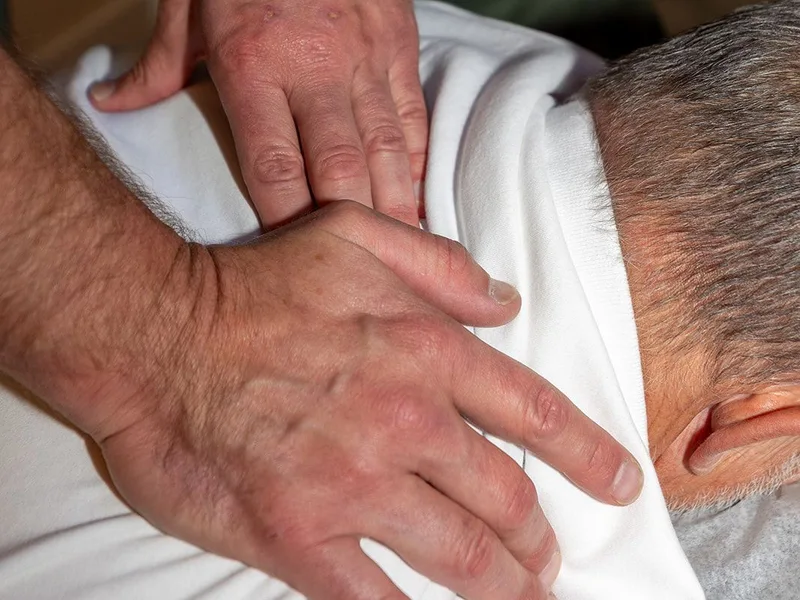
Symptoms of pinched nerve
- ✓Sharp, shooting, or burning pain that radiates into an arm or leg
- ✓Numbness or a "pins and needles" sensation along the nerve path
- ✓Weakness in a hand, arm, foot, or leg
- ✓Pain that worsens with certain positions — like looking down or sitting for long periods
- ✓Muscle fatigue or difficulty gripping objects
- ✓A dull ache at the neck or low back where the nerve originates
Common causes
- Bulging or herniated disc pressing on a nerve root
- Bone spurs from spinal arthritis narrowing the nerve canal
- Tight or inflamed muscles compressing a nerve (as in piriformis syndrome)
- Poor posture and forward-head position that load the cervical discs
- Repetitive strain or overuse at work or in sport
- A car accident, fall, or sports impact that strains the spine
- Degenerative disc changes that reduce space in the foramen
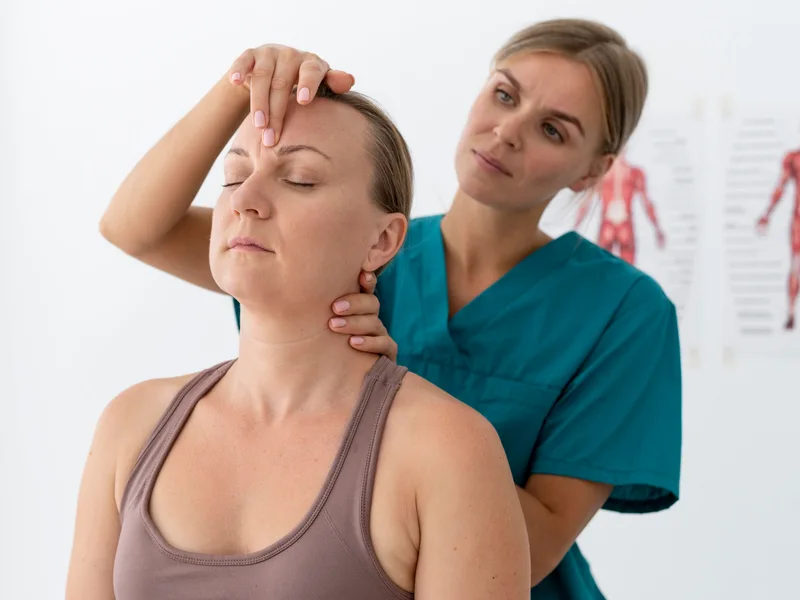
Our approach
How we treat pinched nerve in South Lake Tahoe
- Step 1
Thorough exam
We take a detailed history and perform orthopedic, neurological, and movement testing to identify which nerve is likely irritated and what structure may be involved, and we refer for imaging when it is likely to change your care.
- Step 2
A clear, personalized plan
You get a plain-English explanation of what we found and an individualized plan with clear goals. We set honest expectations and tell you if your case needs a specialist.
- Step 3
Gentle care & corrective exercise
We combine spinal adjustments, corrective exercises, and (for the low back only) hands-on flexion-distraction decompression to help relieve nerve pressure and build the stability that may help keep it from returning.
The basics
Understanding pinched nerve
A pinched nerve happens when surrounding tissue — a bulging disc, a bone spur, a tight muscle, or an inflamed joint — presses on or irritates a nerve, most often a nerve root as it exits the spine. In the neck (cervical spine), that pressure typically sends pain, tingling, or weakness into the shoulder, arm, or hand. In the low back (lumbar spine), it usually radiates into the hip, buttock, or leg — a pattern most people recognize as sciatica. The medical terms radiculopathy and nerve impingement describe the same basic problem from different angles.
The encouraging part is that nerve compression often responds to conservative, drug-free care, especially when it's addressed early. Chiropractic adjustments aim to restore joint motion and reduce the mechanical irritation behind the compression, while in the low back, gentle hands-on flexion-distraction spinal decompression may help create space around the disc and nerve root. The key is a careful exam that helps identify where the nerve is likely being irritated and why, so your care plan can focus on the likely source instead of chasing symptoms around.
New Patient Special
$47
Your first visit, all included. New patients welcome at Tahoe Chiropractic Clinic.
- Consultation
- Complete Chiropractic Exam
- First Adjustment
Types of pinched nerves we treat
Nerve compression can occur at several points along the spine, and the symptoms depend on where the pressure is. Patterns our chiropractors look for include:
- Cervical radiculopathy (neck) — a compressed nerve root in the neck that sends pain, numbness, or tingling into the shoulder, arm, or hand. Often related to a disc herniation or bone spur in the lower neck (C5–C7). May respond to gentle neck adjustments and corrective exercise. See also: neck pain and arm pain.
- Lumbar radiculopathy (low back) — nerve compression in the lumbar spine that radiates into the hip, buttock, or leg. The most recognized form is sciatica, which follows the path of the sciatic nerve. Hands-on spinal decompression and targeted adjustments may help ease the pressure without surgery.
- Disc-related nerve compression — when a bulging or herniated disc in the low back is the culprit, hands-on flexion-distraction decompression may help gently ease disc pressure on the nerve root. See our disc injury page for more on how we approach this.
- Foraminal stenosis — narrowing of the opening (foramen) where the nerve exits the spine, often from bone spurs or degenerative disc changes. Adjustments and corrective exercise may help improve mobility and ease irritation, though they don’t reverse bony narrowing.
- Muscle-related nerve entrapment — a tight piriformis or scalene muscle can compress a nearby nerve even without disc involvement. Corrective exercise and stretching are often the first step here.
Your exam tells us which pattern fits, so your plan targets the likely source of compression.
When to see a chiropractor in South Lake Tahoe
Getting checked early may make relief from nerve compression easier. Consider requesting an exam if you notice:
- Shooting, burning, or radiating pain in an arm or leg that has lasted more than a few days
- Persistent numbness or tingling in the fingers, hand, foot, or toes
- Weakness when gripping objects or climbing stairs
- Symptoms that get worse with sitting (including long drives over Echo Summit or Kingsbury Grade), bending forward, or looking down
- Nerve pain that started after a car accident, a fall, a ski or bike crash, or heavy lifting
- Recurring episodes of nerve pain that clear up briefly and then return
If you notice rapidly progressive weakness in a limb, or loss of bladder or bowel control, seek emergency care right away — these are red flags for a more serious spinal emergency that needs prompt evaluation.
What to expect at your first visit
Your first appointment is focused on understanding what is compressing your nerve before we treat it. We’ll:
- Listen to your story — when symptoms started, what makes them better or worse, and exactly where the radiating pain or numbness travels.
- Examine thoroughly — orthopedic and neurological testing (reflexes, sensation, muscle strength) to map the nerve distribution and pinpoint the likely level of compression.
- Explain what we found — in plain English, with an individualized care plan and honest expectations for recovery, including a referral if your case warrants specialist evaluation.
- Start care when appropriate — if the exam shows you’re a good candidate, your first visit may include a gentle adjustment (and, for a low-back pinched nerve, flexion-distraction).
You’ll always know what we recommend and why, and the choices are yours.
Drug-free pinched nerve relief — without medication or surgery
Pain medication can dull the ache of a pinched nerve for a few hours, but it doesn’t change the disc, bone spur, or tight muscle that is compressing the nerve in the first place. Surgery is sometimes necessary, but it’s rarely the first step, and many people with nerve compression improve with conservative care. At Tahoe Chiropractic Clinic, we combine gentle chiropractic adjustments, hands-on spinal decompression for low-back cases, and corrective exercise into one coordinated plan, aiming to ease the pressure now while building the stability that may help prevent it from returning. If your exam ever shows that you need imaging, a specialist consultation, or a surgical evaluation, we’ll tell you honestly and help you find the right next step.
Why South Shore patients choose Tahoe Chiropractic Clinic
Tahoe Chiropractic Clinic is a chiropractic and whole-family wellness practice on Harrison Ave in South Lake Tahoe, with two chiropractors: Dr. Emma Freeze and Dr. Joel Mackes. Patients visit from around the South Shore, including Meyers, Stateline, Zephyr Cove, and Kingsbury, and from Minden, Gardnerville, and Carson City. We take the time to understand where and why the nerve is being irritated, then build a plan specific to your spine. Whether you’re dealing with sciatica shooting down your leg, a disc injury pressing on a nerve root, or neck pain that radiates into your arm, we use the gentlest effective approach and screen honestly for anything that needs specialist care.
Ready to get started? Our New Patient Special is a simple way to begin. Call our office at (530) 541-5660 or request an appointment.
Why choose chiropractic
Chiropractic care vs. the typical pinched-nerve routine
| Comparison factor | Chiropractic Care | Pain Meds & Surgery |
|---|---|---|
| Looks for contributing factors | ✓Assesses what may be irritating the nerve and aims to ease it | Medication eases symptoms; surgery is reserved for cases that need it |
| Drug-free & non-invasive | ✓Always | No |
| Risk of side effects | ✓Generally low | Can be higher (medication side effects, surgical risks) |
| Personalized to you | ✓Individualized care plan | Often a standard protocol |
| Builds long-term stability | ✓Corrective exercise included | Not the main focus |
| Typical recovery | ✓Active & gradual | Varies; surgery can involve downtime |
Treatment options
Services that may help with pinched nerve
Chiropractic Care
Chiropractic care in South Lake Tahoe focused on whole-body wellness, with individualized adjustments to help you move well, stay active, and feel your best.
Learn more →Spinal Decompression
Gentle, hands-on spinal decompression (lumbar flexion-distraction) in South Lake Tahoe that may help ease low back disc pressure, sciatica and leg pain, drug-free.
Learn more →Related conditions
Other conditions we treat in South Lake Tahoe
Patient reviews
What our South Lake Tahoe patients say
“Most amazing experience! I was in a lot of pain and in fear of doctors but when I walked in I felt at home. The energy was amazing ,anybody come visit.”
“La atención del doctor y el resto de personal es maravillosa, son muy atentos. Los recomiendo !”
“Dr Joel and staff were very helpful, thorough, and friendly! Extremely reasonable price for new patient walk in and felt very light and adjusted after the session. Highly recommend to everyone looking for an exceptional chiropractic visit!”
What causes a pinched nerve in the neck or back?+
The most common causes are a bulging or herniated disc or a bone spur from spinal arthritis pressing on a nerve root as it exits the spine, or, less often, a tight muscle compressing a nerve further along its path. Poor posture, repetitive strain, and old injuries can all contribute. Our exam helps identify which structure is most likely involved so your care can be focused where it's needed.
Can a chiropractor help a pinched nerve?+
Many people find it does. Chiropractic care is a common conservative option for nerve compression. Adjustments aim to restore joint motion and reduce the mechanical irritation behind the problem, and for a pinched nerve in the low back, hands-on spinal decompression may help create space around the disc and nerve root. Your exam tells us whether chiropractic care is a good fit for you.
How many visits will I need for a pinched nerve?+
It depends on how long you've had it, what's compressing the nerve, and how far the symptoms have spread. After your exam, your chiropractor will explain the plan we recommend, what to expect, and how we'll track your progress.
Will my insurance cover pinched nerve treatment?+
Coverage varies from plan to plan. Call our office at (530) 541-5660 to ask about insurance and payment options. Our front desk team is happy to help with billing questions.
Is chiropractic treatment for a pinched nerve safe?+
Chiropractic care is generally considered safe for many people with a pinched nerve when it's appropriate for their condition. We screen every patient thoroughly before beginning care. If your exam suggests the compression is severe, or if you have progressive weakness or other red flags, we'll refer you to the appropriate specialist rather than proceeding with manual care.
Do I need an MRI before seeing a chiropractor?+
Not necessarily. Many nerve-compression cases don't require imaging before care can begin. We screen for red flags at your first visit and refer for imaging when it will genuinely change your care. No referral is needed to see a chiropractor in California.
How is a pinched nerve different from sciatica?+
Sciatica is a specific type of pinched nerve — irritation or compression of the lower lumbar nerve roots that form the sciatic nerve (or, less often, of the nerve itself), with symptoms that travel from the low back through the buttock and down the leg. A pinched nerve is the broader category and can occur in the neck (causing arm symptoms) or anywhere along the spine. See our dedicated sciatica page for more detail.
When should I go to the ER instead of a chiropractor?+
Seek emergency care immediately if you notice rapidly progressive weakness in an arm or leg, loss of bladder or bowel control, or numbness in the groin or inner thighs. These can signal a serious spinal emergency, such as cauda equina syndrome or spinal cord compression, that needs prompt medical evaluation.
Can a pinched nerve go away on its own?+
Mild cases sometimes ease with rest and time. If symptoms have lasted more than a few days, are getting worse, or include weakness, it's worth getting checked, and conservative care may help you recover and lower the chance of the problem becoming chronic. Progressive weakness always needs prompt evaluation.
Do you treat neck-related pinched nerve pain that goes into the arm?+
Yes. Cervical radiculopathy (nerve compression in the neck that radiates into the shoulder, arm, or hand) is something our chiropractors care for in patients from South Lake Tahoe, Meyers, Stateline, and the surrounding area. It is often addressed with gentle neck adjustments and corrective exercises for the neck and upper back. Our spinal decompression (flexion-distraction) is used only for the low back.